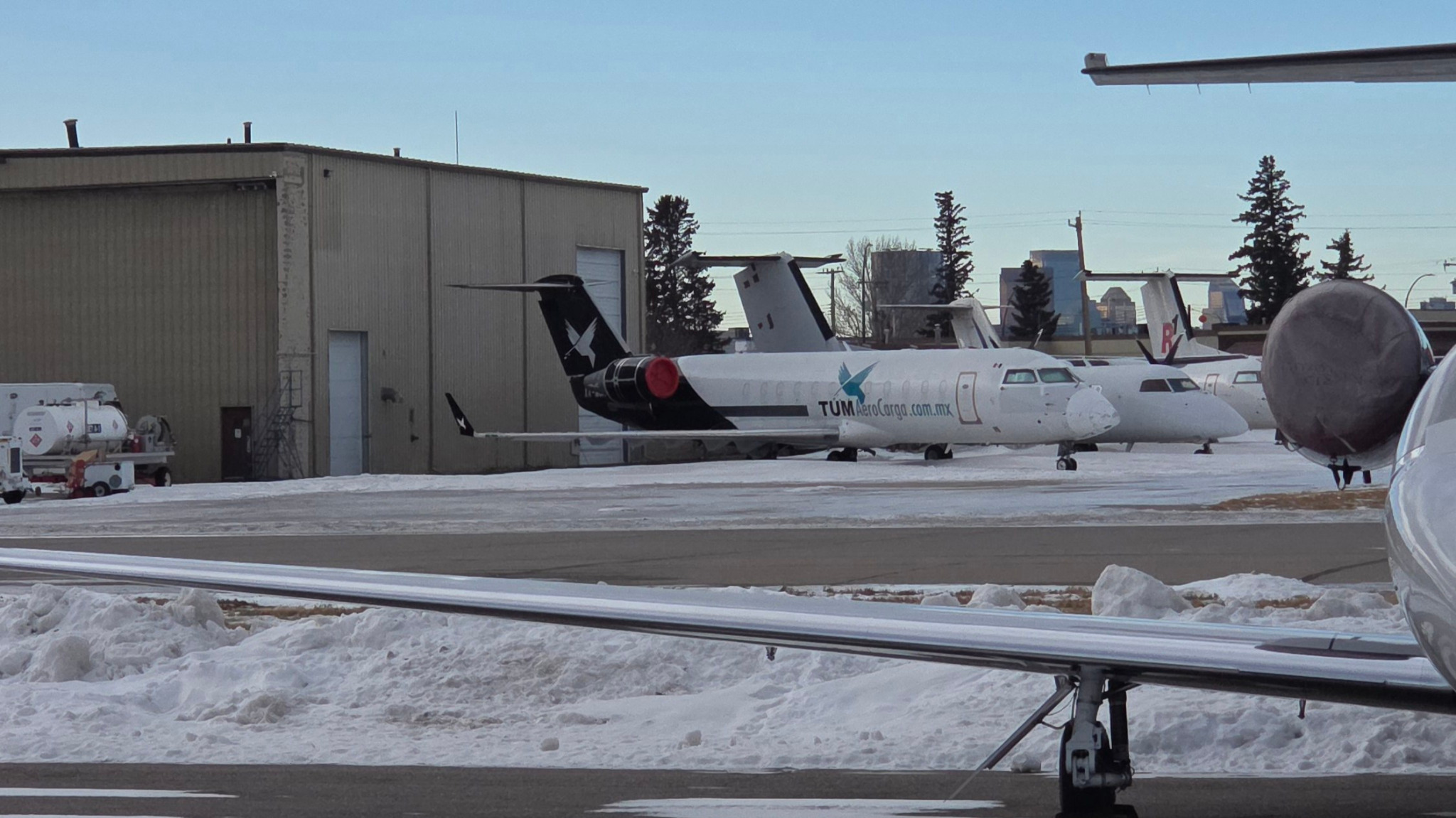

Line vs Heavy maintenance
Difference between two types of maintenance
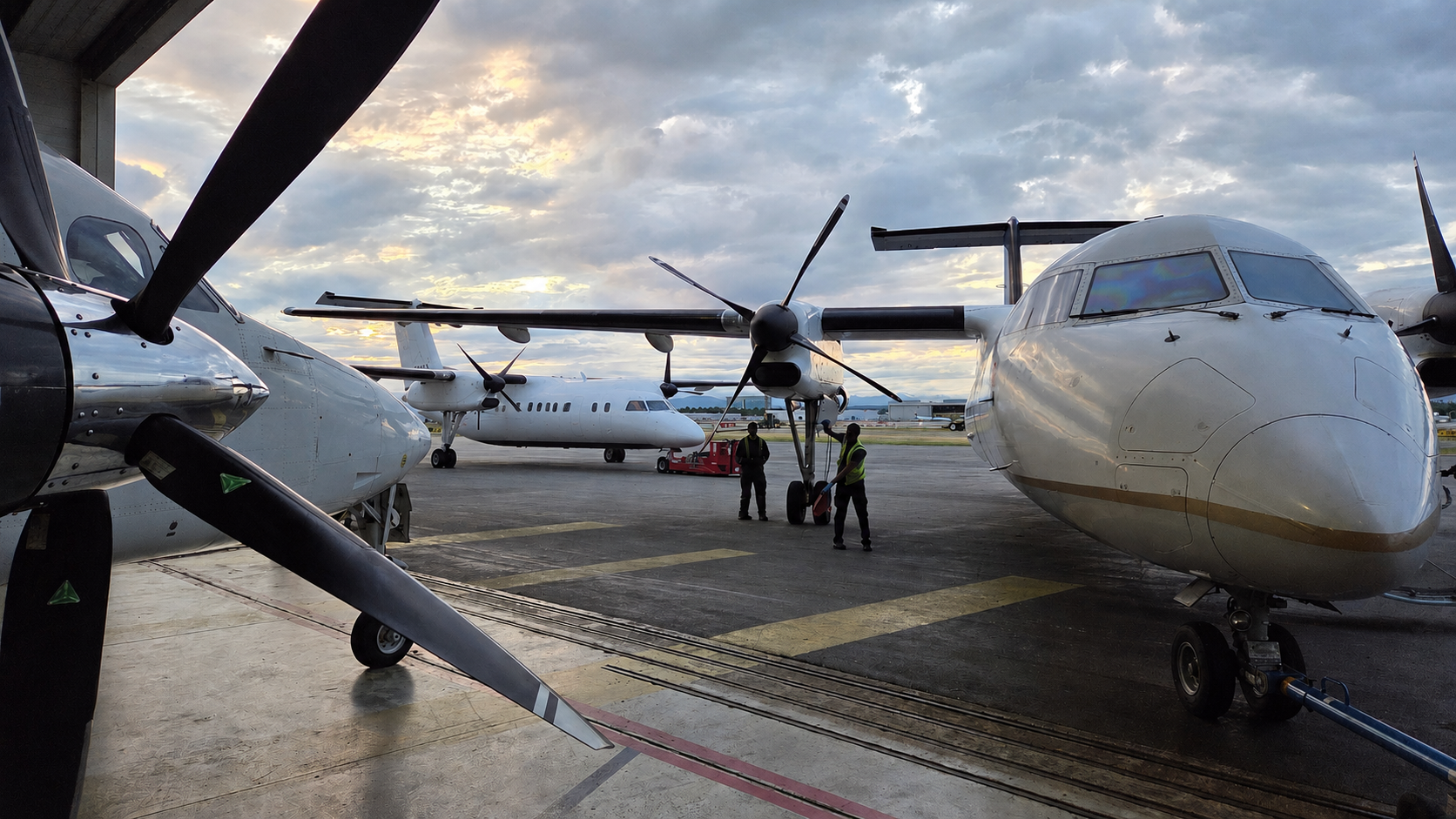
Line vs. Heavy Maintenance: Which One Should You Pick?
Honestly, I think it is best to experience both.
That is how you become more versatile. You start to understand the bigger picture, save time, and build a better idea in your head of how an aircraft works — and what might not be working the way it should.
I have experienced both environments, and I still cannot pick a clear winner. Both are essential, but they serve very different roles.
Let’s start with line maintenance.
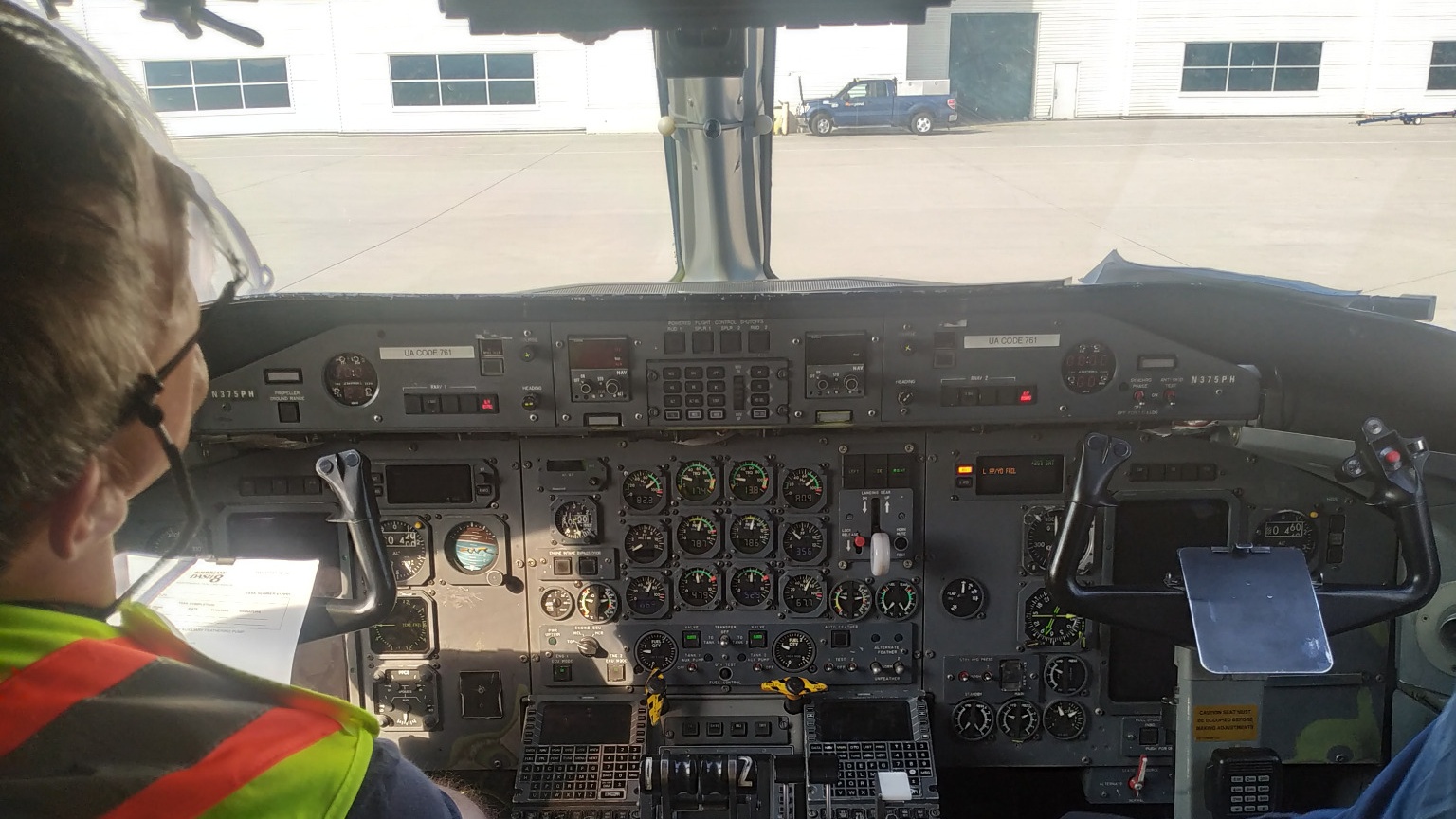
Line maintenance moves fast. Daily inspections, pilot reports, last-minute defects, different aircraft, and sometimes even different aircraft types — you are constantly moving from one thing to another.
You need to stay focused until the day ends, and sometimes even beyond that.
Depending on the size of the airline, you may work alone or with an apprentice. Either way, the calls you make matter. Your decision can affect whether the aircraft leaves on time or stays on the ground.
On the line, you become a jack of all trades.
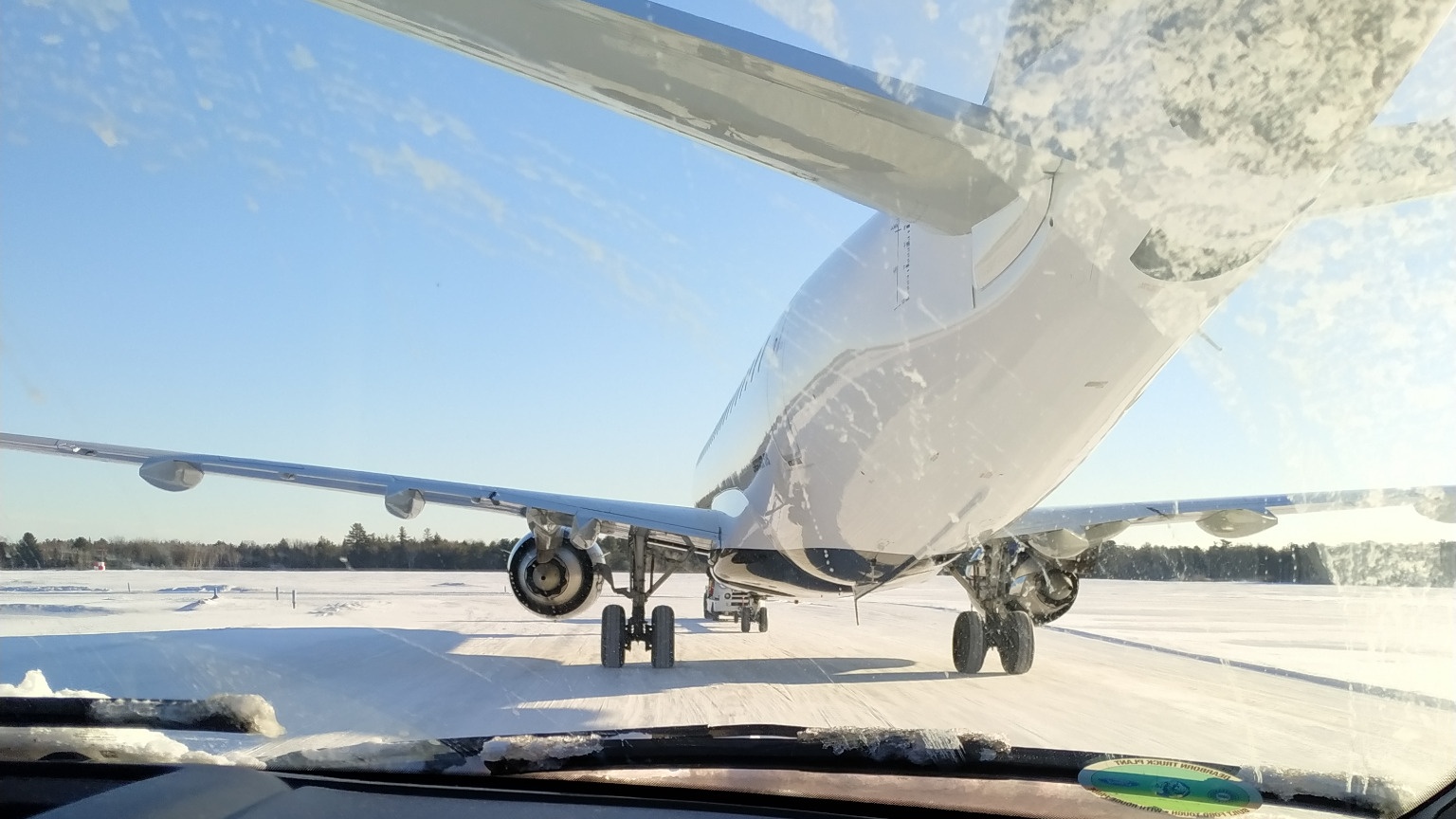
One minute you are changing a wheel. Next, you are fixing a water heater that does not warm up the coffee. Then a pilot reports an amber light for COMMs. Then someone tells you a passenger dropped a can of pop in the toilet.
You name it — you need to figure it out.
That does not mean you have to keep everything in your head. What matters is being able to quickly find the right information in the manuals. If you can navigate the manuals well, you can fix a lot of things. And if you are out of parts or the aircraft needs a deeper inspection, you may need to MEL it.
Another big part of line maintenance is inspections.
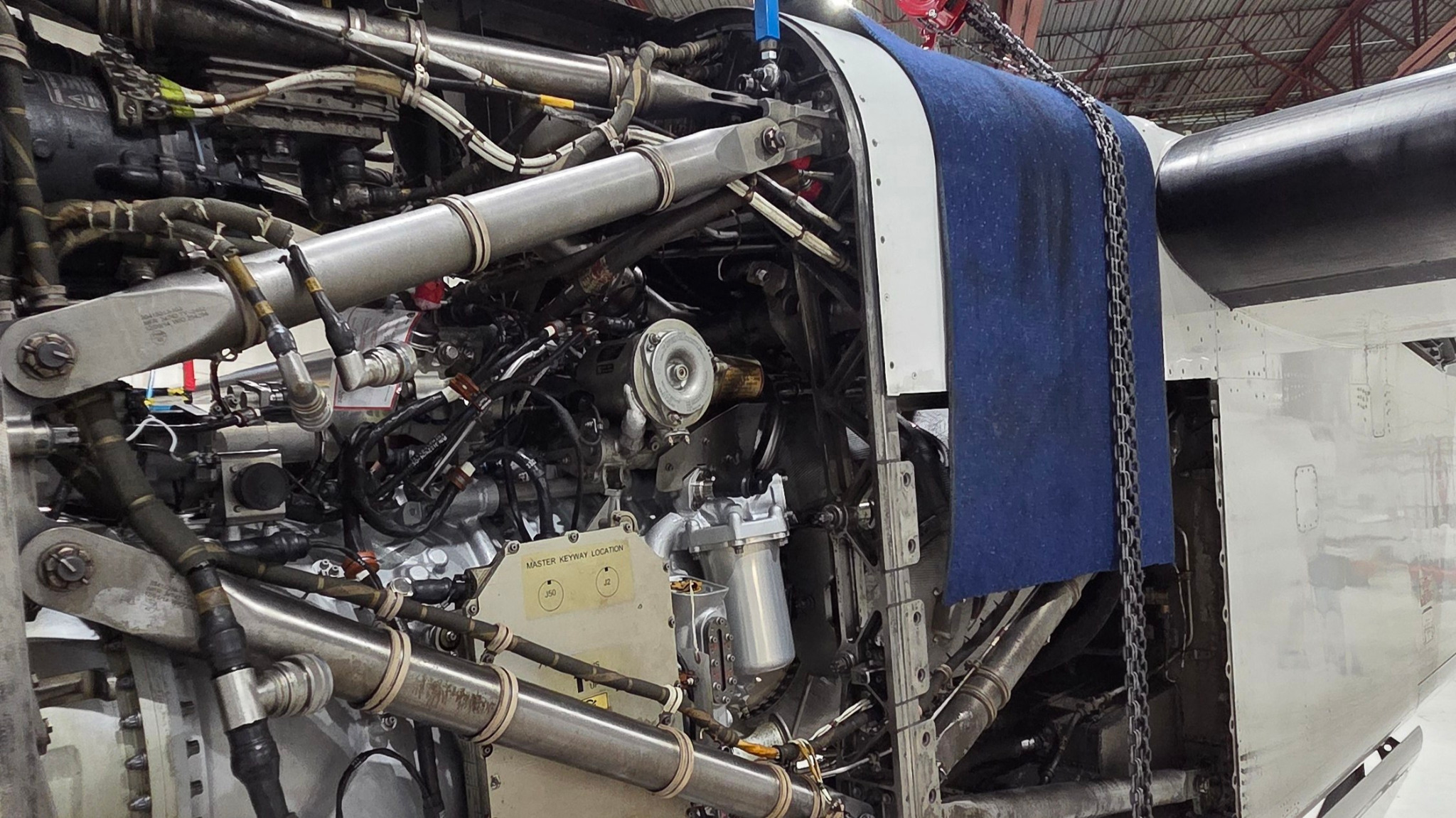
Pre-departure checks, daily inspections, and overnight line checks are all important for the health and safety of the aircraft. This is where focus really matters.
The tricky part is that when you do something every day, it can become routine. And when it becomes routine, it becomes easier to miss things. In aviation, those missed things can be critical for flight safety.
My advice: take your time, stay focused, and have a cup of coffee if you need one.
Heavy maintenance is a slower and more phased environment.
This is where an aircraft comes in for a larger check, such as a 6-year or 12-year inspection. It is the time when a lot of scheduled work gets done: corrosion inspections, wear-and-tear checks, internal inspections, major modifications, and repair work.
These checks require patience.
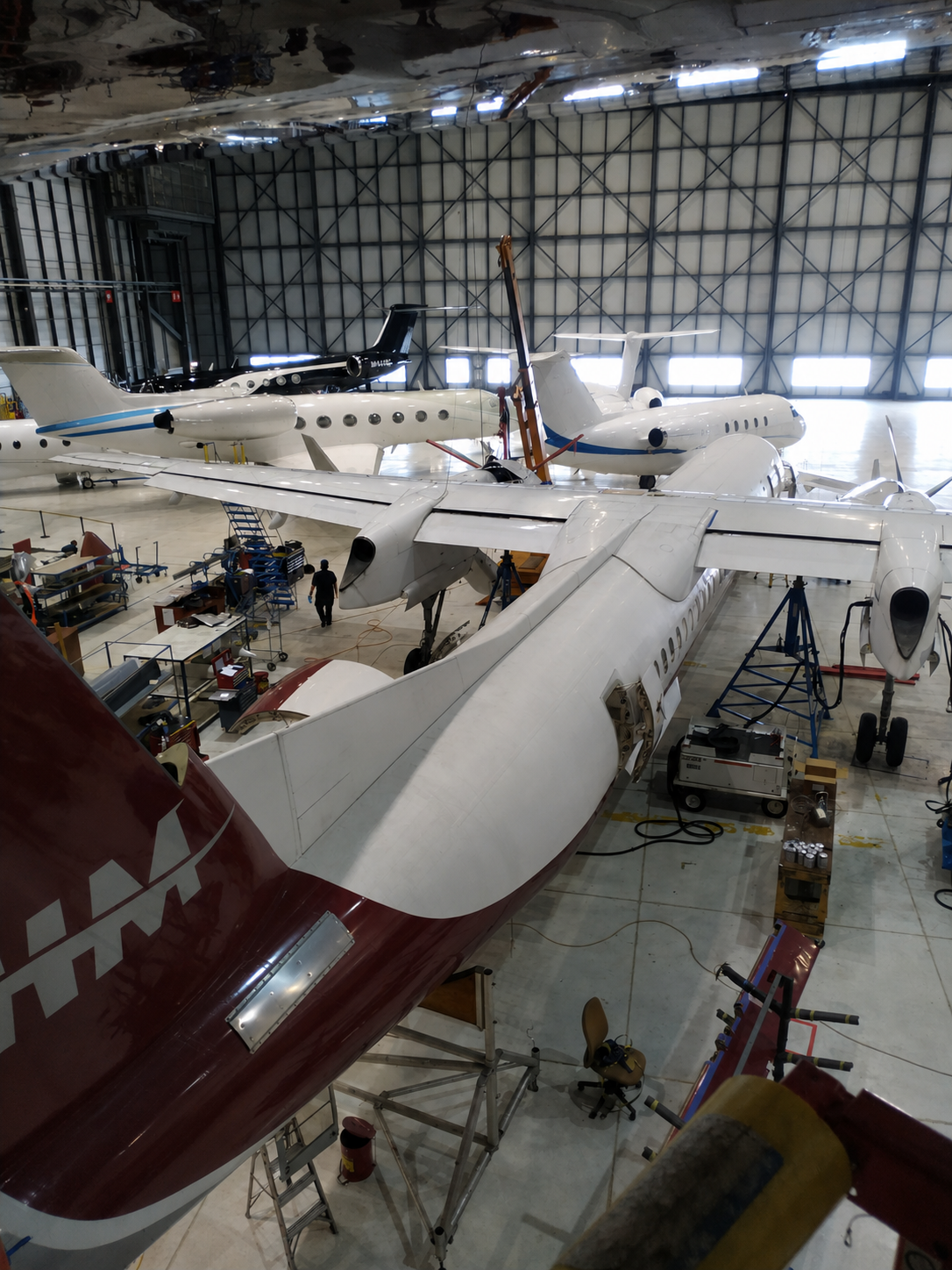
You are often looking at areas that have not been opened or inspected for several years. You also need to understand and follow the procedures carefully, because one loose bolt or forgotten lockwire can create a problem later.
Many tasks can seem repetitive, but this is where you learn a lot.
You start to understand how systems work together. You see the aircraft from a perspective that not many people get to see. Panels are open, interiors are removed, systems are exposed, and you get a much deeper understanding of how everything is connected.
Communication is also a huge part of heavy maintenance.
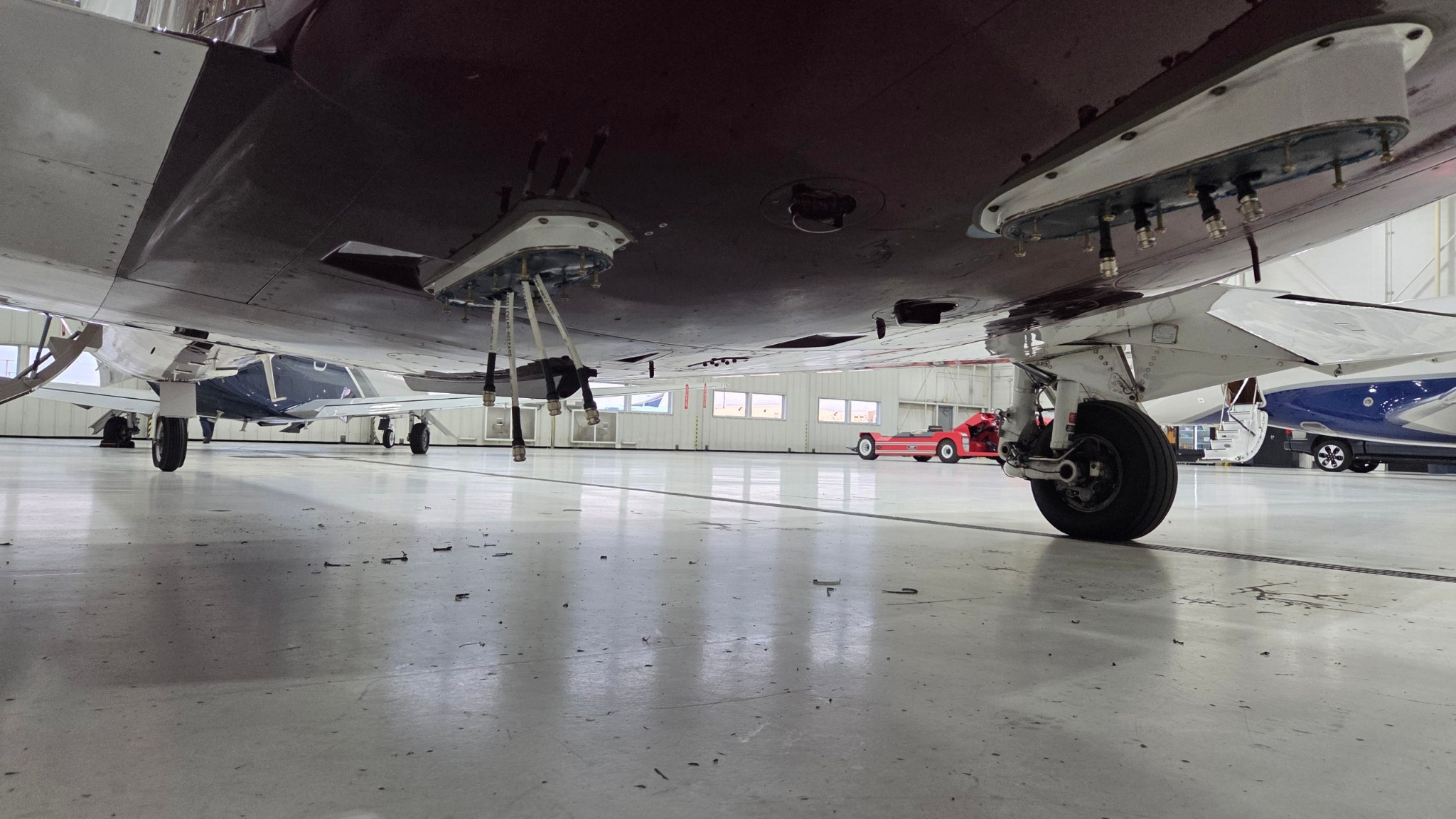
When the work cannot be finished in one day, a good handover is essential. Everyone needs to be on the same page. Otherwise, you may end up opening the same panel two or three times, not knowing that someone else needed the same access for a different task.
At the end of the day, whether you work line or heavy maintenance, one thing stays the same: paperwork.
There is a lot of it.
But without paperwork, there would be no proper aircraft maintenance. Every task, inspection, defect, and repair needs to be recorded. It may not be the most exciting part of the job, but it is one of the most important.
So, which one should you pick?
If you like fast problem-solving, pressure, and variety, line maintenance will teach you a lot.
If you like deeper inspections, bigger tasks, and understanding the aircraft from the inside out, heavy maintenance is a great place to grow.
But if you get the chance, try both.
They will make you a better aircraft maintenance engineer in different ways.