

West Coast road trip part 1
Our road trip through western States
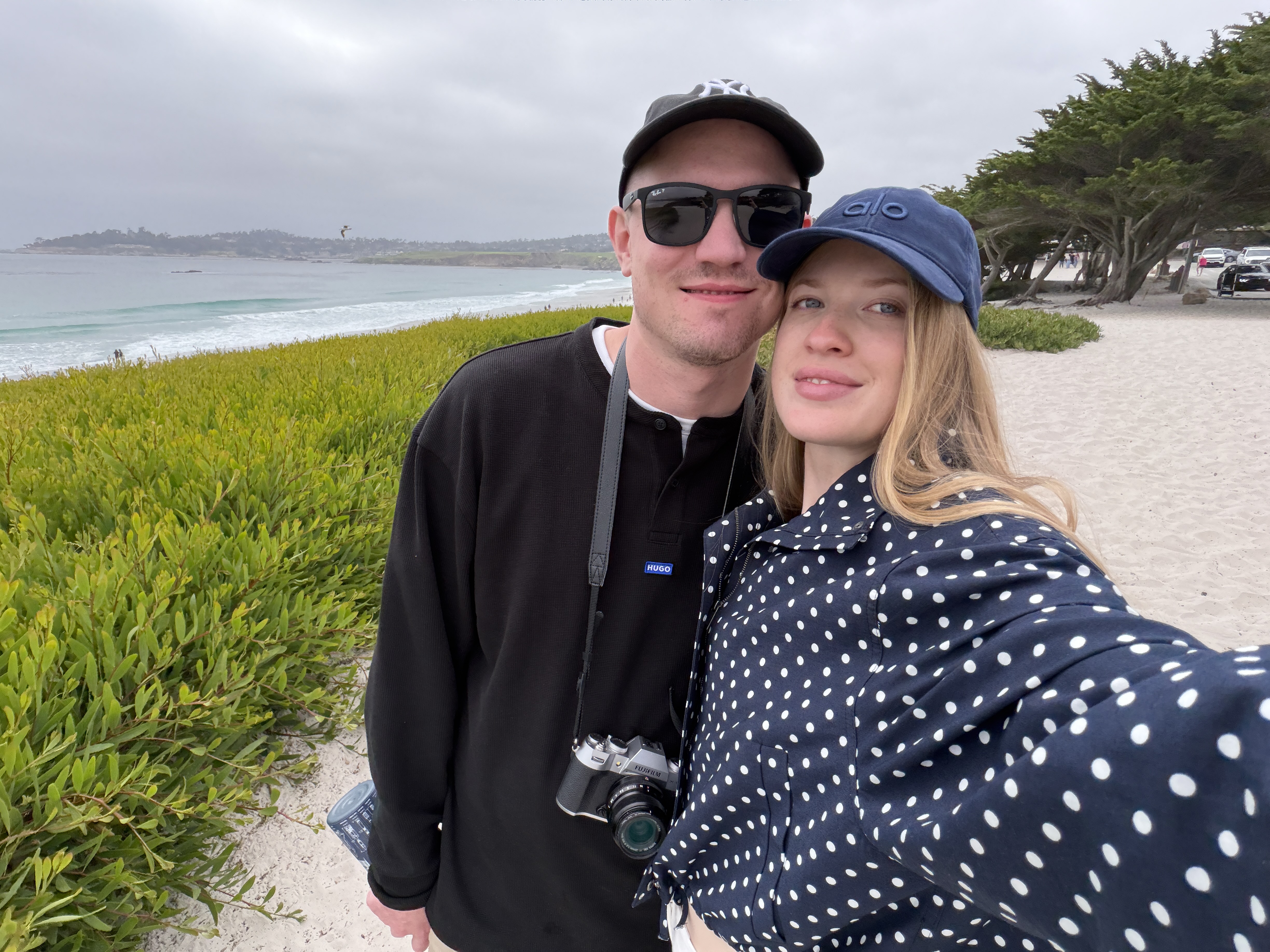
Our western USA road trip is one of the most beautiful and scenic trips I’ve ever had. Seeing how nature changes the farther south you go is just stunning. Driving from Calgary and doing a loop across two provinces and nine states is challenging, but definitely is a one-of-a-kind experience that I’m glad I get to do with my wife.
Planning
It starts like any other trip — with preparations, booking hotels and Airbnbs, renting a car (we don’t want to put another 8,000 km on ours), and planning out our stops and routes. Our goal is to get on the Pacific Coastal Highway — the famous Route 101 — as soon as we cross the border and drive all the way down to Los Angeles, then turn east toward Las Vegas, visit the Grand Canyon, and make our way back to Calgary with a detour through Yellowstone.
Traveling from the continental climate of Alberta to the deserts of Nevada, we need to be prepared for both cold nights and hot days, so we pack plenty of clothes in our suitcases and some snacks for the road, and it is time to head out on our journey.
Day 1-2
16
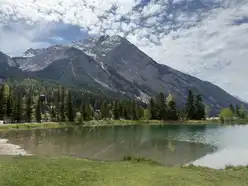
Living in Calgary, to get to the coast we first need to cross the Canadian Rockies and make it to Vancouver. You could do it in one day if you stick to the highway and drive for a prolonged period of time, but we decide to be on the road for no more than 6 hours a day, or at least drive through scenic or interesting places. Sure, driving on a highway through the mountains, you get to see a lot, and I mean really a lot! But when we get off the main road and drive through small towns and farms, seeing people living in those beautiful places every day, we unwillingly start questioning life in a big city. I guess such thoughts come to everyone who doesn’t often get out of the city.
Our first stop for the night is Kelowna, a city located in the mountains by Okanagan Lake between Calgary and Vancouver. What catches my eye is that it is a decent-sized city (for Canada), even with high-rises, located in this remote area, but at the same time it gives you this vacation-city feeling. The whole area actually has a mix of farms and vacation homes, which is quite interesting to see.
The next day our goal is to get to Seattle and spend a night there. To have time to explore the city, we need to get up early and usually be on the road by 7 AM. This gives us plenty of time to take alternate routes and stop at places we want to see.
Crossing the Canada-US border is a bit challenging. I am not allowed to bring my drone in and have to mail it back to my friend’s place because of some recent regulation changes regarding drones, which sets us back another three hours, but eventually we make it through. The border itself is located right between two towns, which gives you the feeling that you are just crossing a street, although the US side is a little run down and greets us with closed businesses on the main street. On the bright side, gas is cheaper than in BC.
After crossing, we enter a road of seemingly endless fields, farms, and ranches, with mountains in the background. When we finally make it to Seattle and check into our little motel, it is time to explore the city, mostly by walking through neighborhoods and seeing how other people live. Seattle is a very green city. Wherever you go, you see cozy places hidden among bushes, trees, and moss-covered fences. Although the weather is rainy, it gives the city a certain charm and makes everything feel fresh. It is definitely a city we enjoy.
Day 3-5
As a person who enjoys learning history and admiring the beauty of aircraft, I couldn’t skip a trip to the Museum of Flight located at Boeing Field just south of Seattle. The place is full of history, with many retired aviation professionals working there as guides, so they have plenty of stories to tell. What surprises me is the amount of space and machines they have — from the first prototypes to modern airliners, spacecraft, Concorde, a full-size 747, and even the first Boeing factory (which apparently was moved from the port to the museum). Aircraft from every era are there, and to see it all, half a day is definitely not enough. Unfortunately, our time is limited and we only have a few hours to wander around. We will definitely be returning to Seattle in the future to spend more time in the museum and explore the city.
As we left the city it was time to hit the Pacific Coastal Highway to start our trip down to Los Angeles. The first town where we stopped for coffee and gas, to our surprise, was also the hometown of Kurt Cobain – Aberdeen. Driving along the Washington and Oregon coast feels completely different from the busy cities. The road winds through dense evergreen forests, crosses small rivers and estuaries, and occasionally opens up to dramatic viewpoints over the Pacific. One moment you’re surrounded by towering spruce and cedar trees, and the next you’re looking out at endless sandy beaches, rugged cliffs, sea stacks, and waves crashing against the shoreline. The landscape reminded us of Vancouver Island – lush, green, and untouched, with forests that seem to have been standing there for centuries.
Cannon Beach was where we stopped for a late lunch, and the views were amazing. Because of the constant cool ocean winds, many of the trees grow in a windswept, sculpted shape. The beach stretches for around 13 km, with the iconic Haystack Rock rising from the shoreline and seabirds circling overhead. Walking along the sand with the ocean mist in the air felt like stepping into a postcard from the Pacific Northwest.
After spending the night in Lincoln City, we plan to spend the rest of the day exploring the Oregon coast. We drive back north to the town of Manzanita, spend some time relaxing on the beach and walking through the park, and then continue south, stopping in small coastal towns along the way.
For lunch, we stop at the Tillamook Creamery. Elena falls in love with their butter and yogurt — and so do I. The drive itself is just as enjoyable as the destinations, with winding roads, ocean viewpoints, and forests stretching all the way to the shoreline.
That night, we stay in Yachats at a small cozy inn by the highway. It is a simple place, but after a full day on the road it is exactly what we need before continuing our journey south.
The final drive of the day brings us into California, and the landscape starts to change as we go — from green forests and grassy fields to tall pine trees and sun-burnt hills. As we drive through the southern part of Oregon, I am surprised to see massive sand dunes. Seeing hills of sand surrounded by green forests is definitely not something I expect to find along this coast.
As we cross into Northern California, another thing that quickly catches our attention is the price of gas, which seems to rise with every stop. The scenery continues to change as well. Soon we begin seeing the famous California redwoods, trees so massive that some are wider than a car and as tall as a 17-story building. Standing next to them makes you feel incredibly small and reminds you just how old and untouched some parts of this coast still are.
By the time we reach Eureka, we are ready for a rest. We check into our hotel, grab some food at In-N-Out, and prepare for what will turn out to be one of the most beautiful drives of the entire trip.